



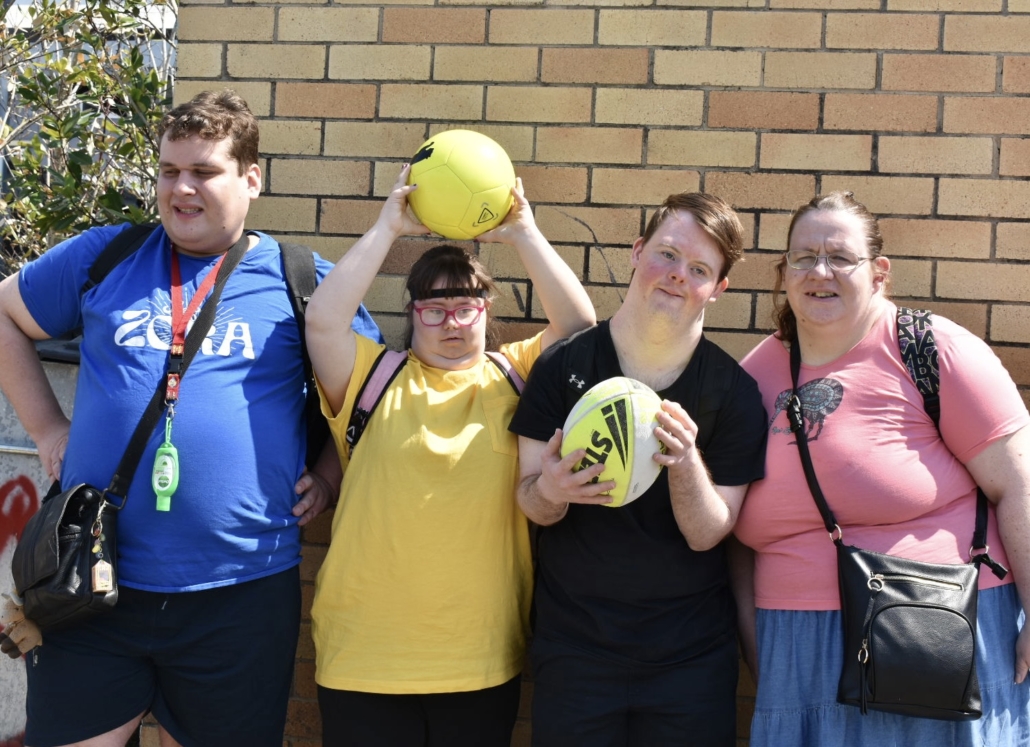
Signs Your Young Adult May Benefit from Structured Day Programs (A Family Guide)
As young people with disability transition from school into adulthood (typically ages 17–30), families often find themselves asking an important question: what comes next?
Without the structure of school, many young adults can experience a sudden loss of routine, reduced social interaction, and fewer opportunities to build independence. This is where structured disability day programs can make a meaningful difference.
For families in Brisbane’s Bayside and Toowoomba regions, Tea-cup Cottage’s sister company, Blue Tongue Adventure, offers fun, engaging, and skills-focused day programs designed specifically for young people with disability.
With programs created by young people, for young people, Blue Tongue Adventure is all about fun, learning, friendship, and building confidence for adulthood.
But how do you know if a day program is the right next step?
Below are the key signs your young adult may benefit from structured day programs.
1. They are losing routine after leaving school
One of the biggest transitions after school is the loss of structure.
A structured day program can reintroduce meaningful routine, purpose, and consistency if your young adult is:
- Sleeping irregular hours
- Spending large amounts of time at home
- Struggling to stay engaged during the day
- Feeling unmotivated or restless
At Blue Tongue Adventure, no two days are the same – but every day has structure, support, and purpose.
2. They are craving social connection or becoming isolated
Social connection is essential for wellbeing, yet many young adults with disability struggle to access consistent peer interaction after school ends.
Warning signs may include:
- Increased time alone
- Withdrawal from community activities
- Difficulty maintaining friendships
- Reliance on family for all social interaction
Day programs help build friendships in a safe, supported environment.
This aligns with research showing people with disability are more likely to experience social isolation, highlighting the importance of structured opportunities for connection.
At Blue Tongue Adventure, participants meet new friends and build relationships through shared experiences every day.
3. They enjoy activities but need support to access them
If your young adult shows interest in hobbies but struggles to access or sustain them independently, a structured program can help.
Blue Tongue Adventure offers a wide variety of hands-on activities including:
- Cooking in a café-style kitchen (Brisbane)
- Art, ceramics, and creative workshops
- Woodwork and hands-on building projects
- Music, dance, film, and photography
- Sports, fitness, and outdoor adventure
- Gardening and using fresh produce from their own Adventure space gardens
- Community access outings and group experiences
These activities help turn interests into skills- and skills into confidence.
4. They are ready to build life and independence skills
Structured day programs support young adults to develop essential life skills, including:
- Communication and conversation skills
- Problem-solving and decision-making
- Social confidence
- Teamwork and collaboration
- Daily living and independence skills
At Blue Tongue Adventure, these skills are built naturally through real experiences – cooking, creating, exploring, and trying new things in a supported environment.
5. They benefit from trying new environments and experiences
Some young adults thrive when exposed to new environments, while others need encouragement and support to try new things.
A structured program may help if your young adult:
- Avoids new experiences
- Feels anxious about change
- Prefers staying in familiar environments
- Needs encouragement to join community activities.
Blue Tongue Adventure is designed around exploration and variety. One day might involve a community outing or sport, the next a creative workshop or group project.
6. They need support transitioning into adulthood
The transition from school to adulthood can feel overwhelming for both young adults and families.
Day programs help bridge this gap by:
- Providing structured weekday routines
- Building independence gradually
- Encouraging confidence in community settings
- Supporting social and emotional development.
This makes adulthood feel less overwhelming and more achievable.
7. You are looking for balance as a family
It is also important to acknowledge the family perspective.
If caring responsibilities are becoming demanding or you are seeking more balance, structured day programs can provide:
- Safe, supported engagement during the day
- Opportunities for your young adult to grow independence
- Time for families to rest, reset, and focus on wellbeing.
Support is not about stepping back- it is about building a sustainable future for everyone.
Why Blue Tongue Adventure is a Great Disability Day Program Option?
Blue Tongue Adventure is more than a day program- it is a space built for young people aged 17–30 to grow, explore, and thrive.
With programs created by young people, for young people, the focus is always on:
- Fun and adventure
- Building real friendships
- Learning practical life skills
- Growing confidence for adulthood
- Trying new experiences without pressure
No two days are ever the same with the Blue Tongue crew.
One day might be sports or community adventure. Another might be art, ceramics, music, or cooking with fresh produce from their gardens. Every experience is designed to support independence while having fun.
It’s the perfect way to tackle adulthood with bucket loads of confidence and new friends.
How to Access Day Program Supports
If your young adult has an NDIS plan, day programs may be funded under:
- Core Supports (community participation)
- Capacity Building supports (skills development and independence)
A Support Coordinator or Local Area Coordinator can help guide you through eligibility and funding options.
Contact Blue Tongue Adventure
If you think your young adult may benefit from a structured day program, the friendly team at Blue Tongue Adventure is here to help.
You can speak with their team directly to learn more about programs, availability, and how to get started.
1800 949 249
hello@bluetongueadventure.com.au
FAQs
What age group is Blue Tongue Adventure for?
Blue Tongue Adventure is designed for young adults aged 17–30 who are transitioning into adulthood and want structured, engaging day support.
What kinds of activities are included in the program?
Activities include cooking, art, ceramics, woodwork, music, dance, photography, sport, fitness, gardening, and community access outings.
Is the program suitable for someone who is shy or anxious in groups?
Yes. The program is designed to be supportive and flexible, allowing participants to engage at their own pace while building confidence gradually.
Where are Blue Tongue Adventure programs located?
Programs are delivered in Brisbane’s Bayside and Toowoomba regions.
Do participants need specific skills before joining?
No. The program is designed to support all ability levels, with a focus on growth, exploration, and participation.
Can day programs help with independence skills?
Yes. Participants build communication, social confidence, decision-making, and everyday life skills through hands-on experiences.



Leave a Reply
Want to join the discussion?Feel free to contribute!