



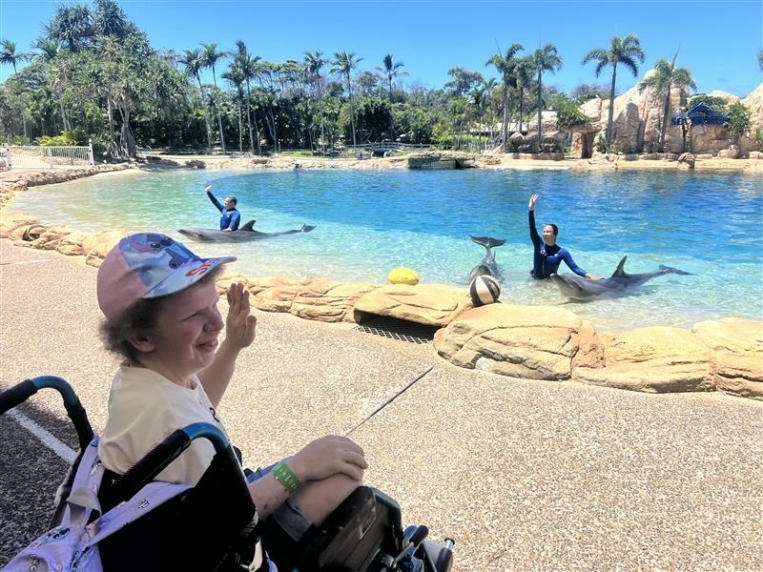
Why Attending Events Matters for People with Disability (And Why It’s More Than Just “A Fun Day Out”)
For many people, going to a concert, a sporting event, or a weekend away is just part of life.
But for people with disability, these moments can mean something much deeper.
They’re not just events. They’re opportunities for connection, confidence, independence and belonging.
And increasingly, research is confirming what great providers already know: Meaningful social experiences are essential – not optional – for wellbeing and quality of life.
The Reality: Social Isolation Is Still a Major Challenge
In Australia, people with disability are significantly more likely to experience social isolation.
- Around 1 in 5 people with disability experience social isolation, compared to less than 1 in 10 without disability
- Many report difficulty leaving home or accessing community activities at all
This isn’t about lack of interest. – it’s about barriers, such as :
- Transport accessibility
- Event Accessibility
- Confidence going out into the community
- Confidence with social interactions
- Sensory issues
- Lack of the right support
Which is exactly why supported events matter.
What the Research Says About Social Participation
Across multiple studies, one finding is consistent: Social participation is one of the strongest drivers of wellbeing for people with disability.
Research shows that meaningful participation:
- Reduces isolation and loneliness
- Improves mental health and emotional wellbeing
- Builds confidence and self-esteem
- Expands social networks and relationships
It also creates ripple effects:
- Increased independence
- Greater likelihood of engaging in work, study, or volunteering
- Stronger sense of identity and belonging
Why Events Are So Powerful (Compared to Traditional Programs)
Not all “social participation” is equal.
Well-designed, supported experiences offer something unique:
1. They Feel Like Real Life (Because They Are)
Events happen in the real world:
They’re not simulated environments—they’re authentic experiences.
And that matters, because real-world environments:
- Build practical confidence
- Develop decision-making skills
- Help participants navigate everyday situations
2. They Create Natural Social Connection
Friendship doesn’t usually happen in structured sessions, it happens through shared experiences.
Events provide:
- Shared excitement
- Conversation starters
- Opportunities to bond naturally
3. They Build Confidence Without Pressure
One of the biggest barriers to independence is fear of the unknown.
Events gently challenge that by encouraging participants to
- Try something new
- Experience a new environment
- Meet new people
But with the right support, participants can stretch their comfort zone safely. And confidence grows from there.
4. They Combine Fun and Growth (Without Feeling Like “Support”)
This is where great providers stand out.
Because the most effective programs don’t feel like programs at all.
Participants are having fun, exploring and socialising, while at the same time building life skills, emotional resilience and independence.
What Does the Right Support Really Look Like?
The success of any event or experience often comes down to one thing: the quality of support behind it.
The right support goes beyond simply supervising or assisting, it’s about creating an environment where people feel safe, confident, and genuinely included.
This includes:
- Personalised support – understanding each person’s needs, preferences, and goals, and adapting the experience accordingly
- Encouragement without pressure – supporting individuals to step outside their comfort zone at their own pace
- Building independence – offering the right level of assistance while allowing participants to make choices and develop confidence
- Social facilitation – helping people connect, communicate, and feel part of the group
- Emotional awareness – recognising when someone may feel overwhelmed and responding with patience and understanding
- Safety and planning – ensuring environments, transport, and activities are well-organised and accessible
Importantly, great support should feel natural, not clinical or restrictive.
When done well, it allows participants to fully enjoy the experience, while quietly building the skills, confidence, and independence that carry into everyday life. It’s the difference between simply attending an event and truly being part of it.
The Tea-cup Cottage Approach: Where Fun Meets Purpose
At Tea-cup Cottage, events are designed with a clear philosophy: Fun and growth go hand in hand.
Through Tea-cup Events, young adults are supported to take part in:
- Live sports
- Theme parks
- Shows and concerts
- Day trips and weekends away
But these aren’t just outings.
They are intentionally designed to support and build real capability in:
- Independence – making choices, navigating new environments
- Social connection – meeting people and building friendships
- Confidence – trying new experiences with support
- Skill development – managing routines, communication, decision-making
Participants are supported by experienced staff with a strong focus on:
- Safety
- Inclusion
- Personalised support
- Genuine enjoyment of the experience
The Long-Term Impact
When someone regularly participates in supported events, the changes often go beyond the event itself.
Over time, participants may:
- Feel more confident leaving the house
- Build stronger social skills
- Become more independent in daily life
- Be more open to new opportunities
And importantly, they begin to feel like they belong in the world around them.
The Takeaway
Attending events isn’t just about having something to do.
For people with disability, it can be:
- A pathway to independence
- A way to build friendships
- A confidence breakthrough
- A step toward a fuller, more connected life
And when done right, it doesn’t feel like support at all. It just feels like life.


Leave a Reply
Want to join the discussion?Feel free to contribute!